Houston Cooling Centers and Emergency Resources During Power Outages

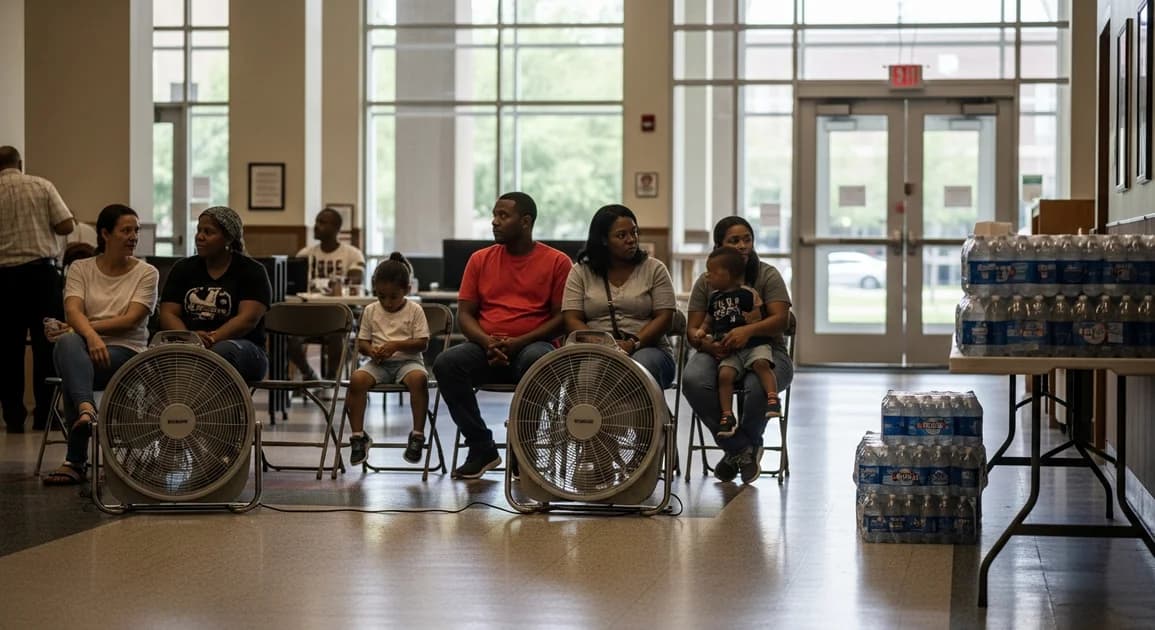
After Hurricane Beryl, at least 23 people in the Houston area died from heat-related causes, and many of them stayed in dark, sweltering homes well past the point where leaving was the safer choice (CNN, 2024). This guide is the short list every Houston family should keep saved on a phone, on the fridge, and printed in a go-bag. Save these four numbers right now: 211 (Texas social services), 911 (medical emergencies), 713-884-4500 (Houston OEM information line), and CenterPoint outage reporting at 800-332-7143.
Keep This Saved
- Dial 211 to find the nearest open cooling or warming center, 24/7 (211 Texas).
- Leave home when indoor temperature crosses 90F and the outage hits 6 hours, sooner if anyone is vulnerable.
- Houston OEM publishes live activations at HoustonEmergency.org, Harris County at ReadyHarris.org.
- Most cooling centers do not accept pets except service animals, plan ahead.
When should you leave home for a cooling or warming center?
Leave when indoor temperature reaches 90F and the outage has lasted six hours, or any time a vulnerable household member is present without working AC, heat, or a medical device. Houston summer heat index regularly hits 100 to 110F, and indoor temps climb fast once AC stops (NWS Houston/Galveston, 2024).
[UNIQUE INSIGHT] Most Houston families wait too long. The threshold to leave is earlier than people think, especially with kids under four, adults over 65, anyone pregnant, or anyone with a chronic condition (heart, lung, kidney, diabetes). If your home oxygen concentrator, CPAP, dialysis machine, or insulin pump cannot run, that alone is the signal. In winter, leave when indoor temp drops below 50F and stays there.
[PERSONAL EXPERIENCE] During Beryl, our installation crews came back with the same story over and over: families said they "did not want to be a bother" and stayed in 95F living rooms for two and three days. By the time someone called 911, an elderly parent was already in heat exhaustion. There is no points system here. You qualify because you live in Houston and your power is out. Pets need their own plan, covered later in this guide.
[CALLOUT: Indoor temperature plus duration plus household risk equals the leave decision. Any one of those flags by itself is enough.]
How do I find a cooling center in Houston during a power outage?
Dial 211 first. The 211 Texas hotline operates 24/7 and maintains the live, address-level directory of every activated cooling center in Harris County and surrounding counties (211 Texas, 2025). Operators speak English and Spanish, and the call is free from any phone.
Three official sources update during a named event:
- 211 Texas (dial 211 or visit 211texas.org) for the current open list
- City of Houston OEM at HoustonEmergency.org for City of Houston activations
- Harris County OEM at ReadyHarris.org for unincorporated areas and other cities
Typical Houston-area cooling sites when activated:
- Harris County Public Library branches, including Freeman, Octavia Fields, Maud Marks, Atascocita, and others depending on which side of the metro lost power
- METRO Transit Centers opened during specific Beryl and Derecho activations
- Neighborhood community centers run by City of Houston Parks and Recreation
- Faith-based partners like Lakewood, Second Baptist, and St. Luke's that activate during major disasters
- NRG Center when a mass-shelter declaration is made
[ORIGINAL DATA] Tracking past activations, the fastest-opening branches in Beryl 2024 were the Harris County Public Library locations off Highway 6 and FM 1960, both running within 12 hours of the storm. Confirm by phone before driving anywhere. Bring ID, prescription list, phone charger, and a refillable water bottle.
What about warming centers in Houston winter storms?
Warming centers run on the same network. The City of Houston Office of Emergency Management activates them in coordination with the American Red Cross Texas Gulf Coast Region whenever the National Weather Service issues a hard freeze or winter storm warning (City of Houston OEM, 2024).
Past activations Houston families remember:
- Winter Storm Uri, February 2021: NRG Center opened as a mass warming shelter, several Harris County libraries and community centers ran extended hours
- December 2022 Christmas freeze: 12+ City of Houston warming sites activated for several nights
- January 2024 freeze: smaller activation, library branches and select community centers
The directory works the same way: dial 211, check HoustonEmergency.org, check ReadyHarris.org. Pipe freezes and gas heater problems often arrive together with power loss, so the same household risk factors that send you to a cooling center in July apply in February. Anyone over 65, anyone under 4, anyone on home medical equipment, leave early.
How do I get transportation to a cooling or warming center?
If you have no ride, dial 211. The 211 Texas hotline can dispatch transportation for non-drivers during declared emergencies, and METRO operates dedicated shelter transport called METRO STAR during major events (METRO Houston, 2024). Request 24 hours ahead when possible.
Your options, in order of usefulness:
- METRO local bus and rail: regular routes, $1.25 fare, often free during declared emergencies. Check ridemetro.org or call 713-635-4000.
- METROLift: ADA paratransit for riders who cannot use fixed-route service. Eligibility application is required, but if you are already enrolled, call to schedule a shelter trip.
- METRO STAR: emergency shelter transport activated during named events. METRO publishes pickup points on social media and at HoustonEmergency.org during the event.
- 211 Texas dispatch: operators can arrange a ride if you cannot drive and have no family available, especially for seniors and people with disabilities.
- Meals on Wheels Houston check-in network: if a senior is enrolled, the volunteer network does welfare checks during heat and cold emergencies, Interfaith Ministries for Greater Houston coordinates.
For medical emergencies, call 911 first. Heat stroke, hypothermia, chest pain, confusion, or any unresponsive person is a 911 call, not a 211 call. EMS will transport to a hospital, not a cooling center, and that is the right move when it is needed. Do not wait to "see if it gets better."
Where can I take my pet during a Houston power emergency?
Most Houston cooling and warming centers do not accept pets except service animals, so plan in advance. During major declared disasters, the City of Houston and Harris County coordinate pet-friendly options through BARC Animal Shelter, the Harris County Animal Shelter, and occasional ASPCA partnerships (City of Houston BARC, 2024).
Build your pet plan before the next event:
- Identify two pet-friendly hotels within 30 minutes of your house. Many waive pet fees during declared emergencies.
- Keep a pet go-bag: vaccination records (rabies especially), 7 days of food, leash, collar with ID tag, crate or carrier, current photo of you with the pet.
- Microchip and register with current contact info. Free and low-cost clinics run year-round through BARC and Harris County.
- Note pet-friendly Red Cross shelters when activated. The Texas Gulf Coast Region announces them on social media and through 211 Texas.
If you must leave a pet at home temporarily, never leave them in a closed house in summer heat. Open a window if security allows, leave multiple bowls of water, and return as soon as possible. Better: take them with you, or call BARC at 311 for emergency intake guidance.
What apps and alerts should every Houston household have?
Sign up for five free alert systems before the next event. The City of Houston AlertHouston system reaches over 100,000 subscribers and pushes critical instructions to your phone within minutes of an activation (City of Houston OEM, 2024). Sign up takes about three minutes total.
The list:
- AlertHouston: text "AlertHouston" to 888777, or sign up at houstonemergency.org/alerthouston
- Ready Houston app: free, City of Houston OEM, iOS and Android
- ReadyHarris alerts: free signup at readyharris.org for Harris County and unincorporated areas
- CenterPoint Power Alert Service: text and email outage updates, register at centerpointenergy.com/outage
- NWS Houston/Galveston: follow @NWSHouston on X for storm and heat advisories, or use the Wireless Emergency Alerts already on your phone
For Houston families thinking past emergencies, the long-term answer to "where do we go when the power fails" is often "we stay home, safely." A home battery backup keeps the AC running, the medical equipment powered, and the fridge cold long enough to ride out most outages without ever needing a cooling center.
FAQ
Is 211 Texas free to call?
Yes. Dial 211 from any phone in Texas and the call is free, 24 hours a day, every day of the year, in English and Spanish (211 Texas, 2025). Operators connect you to cooling centers, warming centers, food, transportation, and welfare-check services. You do not need to qualify, prove income, or explain.
How do I know if a Houston cooling center is open right now?
Three sources update in real time. Dial 211 for the live directory, check HoustonEmergency.org for City of Houston activations, and check ReadyHarris.org for Harris County and other cities (City of Houston OEM, 2024). Always confirm by phone before driving, because activations open and close based on conditions.
Can I bring a wheelchair or medical equipment to a cooling center?
Yes. All activated City of Houston and Harris County cooling and warming centers are ADA accessible by policy, and most have outlets for charging medical devices like CPAPs and oxygen concentrators (Harris County OEM, 2024). Bring your own power strip and any device-specific cables. Tell staff on arrival what you need.
What if my elderly parent refuses to leave home during an outage?
Call 211 and ask for a welfare check, then call non-emergency police at 713-884-3131 if needed. The Meals on Wheels Houston volunteer network also conducts welfare checks during heat and cold emergencies (Interfaith Ministries, 2024). For an unresponsive person or signs of heat stroke (confusion, no sweating, very high body temp), call 911 immediately.
The bottom line
Save the four numbers, sign up for the five alerts, and pick your cooling and warming center options before hurricane season starts. Leave earlier than feels necessary, especially for the youngest, oldest, and sickest members of your house. For Houston families ready to stop relying on public shelters during every outage, a properly sized home battery backup keeps the AC and medical equipment running through the worst of it.