Houston Power Outage Preparedness Guide: What Actually Works

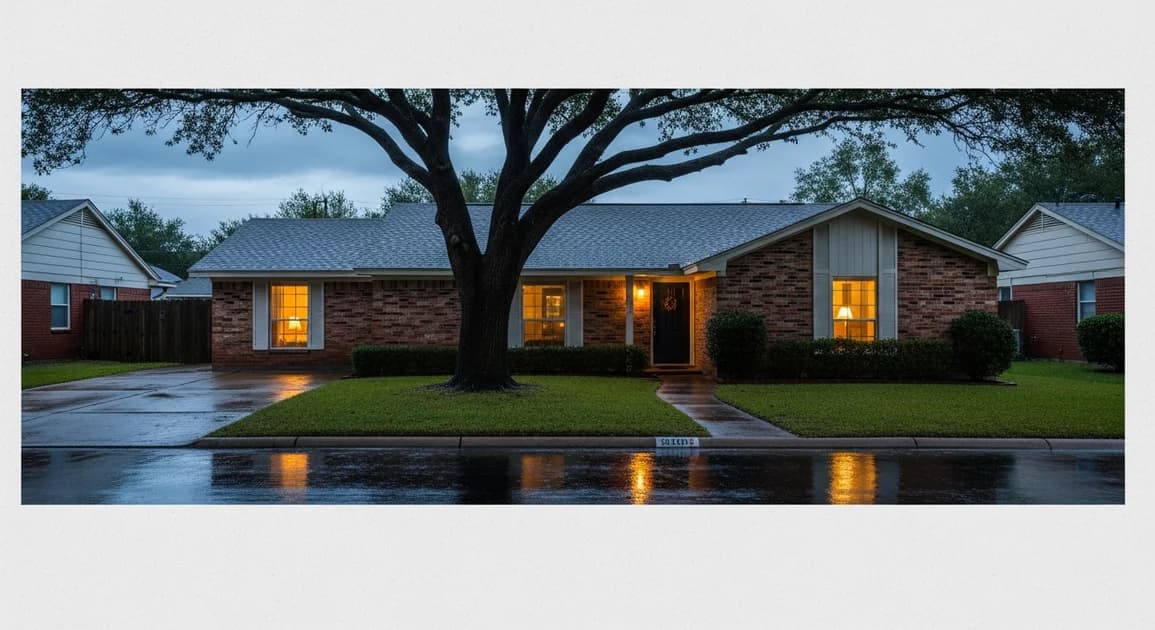
When Hurricane Beryl made landfall on July 8, 2024, it knocked out power to roughly 2.2 million CenterPoint Energy customers across the Houston metro (Houston Public Media, 2024). At least 23 people died in Beryl and its long, hot aftermath (CNN, 2024). Eight days later, 88,000 Houston homes were still dark (Texas Tribune, 2024). If you live here, you already know: the question isn't whether the lights go out. It's how long, how often, and how prepared you are when they do.
This guide walks you through the whole lifecycle. What to do before an outage, what to do during one, and what to rebuild afterward so the next event hits softer than the last one. It's written for Houston specifically, not for a national average.
TL;DR: Hurricane Beryl knocked out power to 2.2 million CenterPoint Energy customers in July 2024, with some outages stretching more than eight days (Texas Tribune, 2024). Real Houston preparedness starts with a 72-hour plan, a documented shelter-in-place kit, and long-term backup power that covers hurricane season and winter freezes. This guide walks you through the full lifecycle: what to do before, during, and after an outage.
Why Houston Power Outage Preparedness Is Different
Texas led the nation with an annual average of 35,440 customer-hours of summer power outages across the state in a 2025 analysis (Innovation Map, 2025). Houston took the sharpest edge of both Hurricane Beryl in 2024 and Winter Storm Uri in 2021, when more than 4.5 million Texas households lost power for an average of 42 hours (Texas Comptroller, 2021). A generic national checklist doesn't account for any of this.
Houston sits at an uncomfortable intersection of three pressures on the grid. Hurricane season runs June through November and routinely produces multi-day outages driven by tree strikes and transmission damage. ERCOT, the state grid operator, faces winter stress from freezes it historically under-planned for, plus summer load peaks that have broken records four of the last five years. On top of that, more than 220 GW of new data center projects had requested grid connection across Texas by November 2025 (CNBC, 2025), an amount that dwarfs current peak demand. More load, same wires.
CenterPoint's restoration pattern is predictable and worth understanding. Hospitals, water treatment, and emergency services come back first. Then large feeders serving dense neighborhoods. Then smaller laterals. Individual single-transformer streets often come back last, sometimes days after neighbors across the main road have lights. If you're on a back street with heavy tree cover, plan for the long tail.
What to Do Before an Outage: The Houston Preparedness Checklist
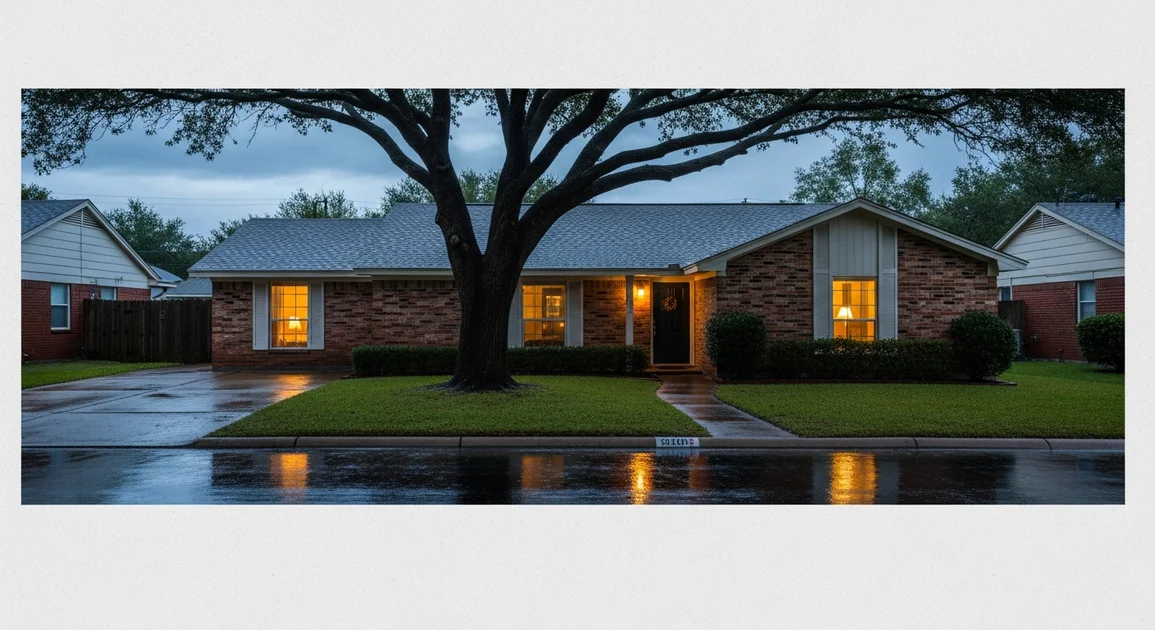
A real Houston outage plan has three layers: a written family plan, a 7-day shelter-in-place kit, and a long-term backup power decision. After Beryl, CenterPoint took more than a week to restore the last 88,000 customers (Texas Tribune, 2024), so the standard 72-hour FEMA kit runs out well before power returns in a bad year. Plan for the tail, not the average.
Build a written family outage plan
Put it on paper. Who meets where if the house is unlivable, which out-of-state contact everyone texts to coordinate, what medications each family member needs and where the prescriptions live, and who handles the pets. Include a neighbor's phone number on the fridge in case cell service drops. During Beryl, cell towers in parts of Harris County lost power for more than 24 hours, and families that relied only on group chats got separated.
Assemble a 7-day shelter-in-place kit
The FDA and Red Cross recommend one gallon of water per person per day. For a family of four, that's 28 gallons for a full week. Add non-perishable food, a battery or hand-crank radio, LED flashlights with spare batteries, a well-stocked first aid kit, at least $200 in small bills (ATMs go down), N95 masks for post-storm mold, USB power banks, a manual can opener, and copies of your insurance and ID in a waterproof bag.
Prep your home before the event
Fill vehicles with fuel 48 hours ahead of any named storm. Run the freezer at capacity: a full freezer holds temperature roughly twice as long as a half-empty one. Freeze gallon jugs of water to pre-stage cooling, they'll double as drinking water later. Know where your main breaker is. Photograph appliances, electronics, and valuables room by room for insurance.
Decide on a backup power strategy early
This is the layer most families skip until they're already in the dark. The decision between a portable generator, a home battery backup, a whole-home standby, or a portable power station depends on budget, outage duration you want to cover, fuel availability, and whether you have medical equipment. Make the call before hurricane season, not during.
Which Backup Power Option Is Right for Your Houston Home?
For most Houston homeowners, a home battery backup system is the most reliable long-term answer because it works in hurricanes when fuel stations are closed, in winter freezes when generators struggle to start, and in summer peaks when running a generator outdoors all night isn't practical. Generators and portable power stations fill specific gaps, but Texas weather punishes the tradeoffs.
Portable power stations
Units in the 1-2 kWh range will keep a fridge cycling and phones charged for roughly 12 to 24 hours. They're silent, indoor-safe, and charge off wall power or a small solar panel. Good for short outages and medical devices. They won't run an air conditioner.
Portable generators
Useful for a 6 to 24 hour outage if you can store fuel and run them outdoors. During Beryl, Houston gas stations ran dry within 48 hours because they needed power to pump. Never run a portable generator in a garage, on a porch, or within 20 feet of an open window. Carbon monoxide kills fast, and it killed Houstonians during Beryl.
Whole-home standby generators
Permanently installed, automatic, and typically fueled by natural gas or propane. They cover extended outages well if the fuel supply holds. Natural gas held up through Beryl for most of Houston but was partly disrupted during Uri's 2021 freeze when gas wells and pipelines went offline. They're loud, they need annual service, and installation runs $8,000 to $15,000 before electrical work.
Home battery backup
A home battery backup system stores electricity and runs your loads silently, with no fuel and no outdoor placement requirement. Pair it with rooftop solar and it recharges during daylight even if the grid stays down. In a real 2025 Cypress install, a 27-kWh Eos Plus system carried a family through 52 hours of a summer outage with the refrigerator, a single AC unit, and CPAP equipment running the whole time. [PERSONAL EXPERIENCE] That same family had tried a portable generator during Harvey in 2017 and ran out of gasoline in 30 hours.
V2H from an EV
Vehicle-to-home backup from an electric vehicle is an emerging option. Some newer EVs with 80-130 kWh packs can power selective home loads for multiple days through a compatible bidirectional charger. The hardware ecosystem is still maturing, but for households that already drive a capable EV, it adds a meaningful backup layer without a separate battery install.
What to Do During a Power Outage in Houston
During an active outage, safety priorities shift by season. Summer means heat risk (Houston's heat index routinely tops 105F during July outages), winter means carbon monoxide and pipe protection, and hurricane outages add structural and flood awareness on top. Report the outage to CenterPoint at 713-207-2222 or through the outage tracker at centerpointenergy.com, stay off flooded roads, and keep the fridge door closed.
Immediate first steps
Check your breaker panel first. If only part of the house is dark, a breaker tripped and the grid is fine. If the whole block is out, report it to CenterPoint and check on neighbors, especially anyone elderly or medically fragile. Unplug sensitive electronics to protect them from surge when power restores.
Summer-specific safety
Heat is the biggest killer during Houston summer outages. Of the 23 Beryl-related deaths, a significant share were heat-related, occurring after the storm passed (CNN, 2024). Move to the lowest floor of the house. Drink water before you feel thirsty. Use wet towels on the neck and wrists. Battery-powered fans help. Know where the nearest Harris County cooling center is, and call 211 Texas if you or a neighbor needs one with transportation.
Winter-specific safety
During Uri, a non-trivial share of Texas deaths came from carbon monoxide poisoning by people running generators or charcoal grills indoors to stay warm (Texas Comptroller, 2021). Never do that. Drip faucets at a pencil-width stream to prevent pipe bursts. Open cabinet doors under sinks on exterior walls. If temperatures drop below 20F for more than 24 hours without heat, shut off the water at the main and drain the lines.
Food safety rules
The FDA is explicit: a closed refrigerator keeps food safe for about 4 hours. A full freezer holds safely for 48 hours; a half-full freezer for 24 hours (FDA). After those windows, discard anything perishable that's been above 40F for more than two hours. When in doubt, throw it out. Food poisoning during an outage with no air conditioning turns a bad week into a disaster.
Medical device continuity
Call your medical supplier before hurricane season to confirm backup battery options for oxygen concentrators and CPAP machines. Refrigerated medications like insulin need a plan: a small cooler with ice packs buys 24 to 48 hours, a portable power station buys more. Register with CenterPoint's Critical Care Customer program if someone in your household is life-support dependent.
After the Power Comes Back: Recovery and Documentation
When power restores, don't just flip everything back on and move on. Work through a reset checklist to prevent damage and preserve insurance claims. Document food loss and any spoiled medication with photos and receipts, inspect appliances before powering them up, and reset anything that needs it. Then rebuild the kit so you're not starting from zero next time.
Inspect for damage
Smell near appliances and the breaker panel. Any burning or plastic odor means you leave it off and call an electrician. Check the water heater for leaks. Look at the HVAC condenser outside for storm debris. Reset GFCI outlets in bathrooms and kitchen.
Document for insurance
Photograph the contents of your fridge and freezer before throwing anything out. Keep receipts from hotel stays, meals eaten out, ice, and fuel. Texas Department of Insurance allows Additional Living Expense claims on most homeowner policies during declared emergencies. Make a written timeline of when power went out and when it came back. Insurance adjusters ask for it.
Restock and rotate
Replace every item you used from the kit within two weeks of the outage. Rotate water jugs at least once a year. Check battery expiration dates. If prescriptions got used, refill them. The worst time to discover your flashlight batteries died in storage is during the next event.
Review the plan
[UNIQUE INSIGHT] Most households debrief for about five minutes and then forget. Set a 30-minute family meeting within a week of every major outage: what worked, what didn't, what would we change. The families with the smoothest Beryl experiences were almost universally ones who'd already been through Uri and made real adjustments after it.
How Long Does a Houston Power Outage Typically Last?
A routine Houston outage from a thunderstorm or blown transformer resolves in 2 to 6 hours. A major hurricane averages 3 to 8 days across affected areas, with a long tail for hard-hit neighborhoods. Winter Storm Uri averaged 42 hours per affected household, with 31 consecutive hours being typical (Texas Comptroller, 2021). Hurricane Beryl took more than 8 days for the final 88,000 customers (Texas Tribune, 2024). Planning for a 7-day worst case is realistic.
Here's the honest part: most Houston homes will not need 7 days of backup power in most years. [UNIQUE INSIGHT] But the probability of experiencing at least one multi-day outage event per decade is now effectively 100% in the Houston metro, based on the frequency of named hurricanes and ERCOT stress events in the 2020s. A 72-hour kit is fine for the average year. A 7-day plan is what keeps your family safe in the bad one. The math of that bet looks different when you have kids, elderly parents, or a household member on medical equipment.
Real Houston Case Studies: What Beryl and Uri Actually Taught Us
Hurricane Beryl in July 2024 and Winter Storm Uri in February 2021 are the two events every Houston preparedness plan has to account for. Between them, more than 6 million Texas households lost power and at least 269 people died (FERC, 2021; CNN, 2024). Beryl's 23 confirmed deaths (CNN, 2024) plus Uri's 246 (FERC Final Report on the February 2021 Freeze) expose two distinct failure modes the grid still hasn't fully fixed.
Beryl lessons (July 2024)
Beryl was a Category 1 at landfall, not a monster storm. It still dropped the Houston grid because the damage wasn't from wind speed alone, it was from trees. Tens of thousands of tree strikes took down distribution lines across every quadrant of the metro. [PERSONAL EXPERIENCE] Installers we know spent the week after Beryl doing emergency service calls and reported the same pattern: the homes that stayed comfortable were the ones with backup power already installed before the storm, not the ones trying to source a generator mid-outage. The heat after Beryl was as dangerous as the storm itself.
Uri lessons (February 2021)
Uri exposed a different weakness. Natural gas wells, pipelines, and power plants across Texas hadn't been winterized for prolonged sub-freezing temperatures. ERCOT ordered rolling load shed that turned into sustained multi-day outages for millions. Secondary damage from burst pipes rivaled the outage itself. Generator-dependent homes that relied on natural gas lost fuel supply mid-event. The families that fared best had electric storage that didn't depend on any fuel line staying pressurized.
What this means for your home plan
The two events argue for dual-season preparation, not hurricane-only. Your backup power has to work in July without fuel deliveries and in February without gas line pressure. Your kit has to handle heat and cold. Your plan has to assume the grid can be down for a week, not just a long weekend.
Frequently Asked Questions
How often does Houston lose power?
Small outages under 2 hours happen several times a year for most Houston addresses, typically from thunderstorms or transformer failures. Major multi-day outages affecting large parts of the metro have occurred roughly every 2 to 5 years in the 2010s and 2020s (Hurricane Ike 2008, Harvey 2017, Uri 2021, Beryl 2024). The frequency is trending up, not down.
What should be in a Houston hurricane power outage kit?
One gallon of water per person per day for 7 days, non-perishable food, a battery or hand-crank radio, LED flashlights with spare batteries, first aid supplies, at least $200 in small bills, phone chargers and power banks, prescription medications, important documents in a waterproof bag, N95 masks, a manual can opener, and basic tools. Store it somewhere accessible, not buried in the attic.
How long can food stay safe without power?
The FDA is explicit: a closed refrigerator keeps food safe for about 4 hours. A full freezer holds safely for 48 hours; a half-full freezer for 24 hours (FDA). After those windows, discard anything perishable that's been above 40F for more than two hours. When in doubt, throw it out, food poisoning during an outage compounds fast.
Can I use a portable generator safely inside my garage?
No. Never. Carbon monoxide from any fuel-burning generator can reach fatal levels within minutes, even with the garage door open. Portable generators must run outdoors, at least 20 feet from any window, door, or vent, with the exhaust pointed away from the house. CO poisoning killed Houstonians during both Uri and Beryl.
Is home battery backup worth it in Texas?
For households with medical devices, small children, elderly residents, or anyone in a neighborhood with a history of multi-day outages (most of Houston qualifies), the answer is usually yes. The value calculation accelerates with every ERCOT alert and every named hurricane. For a single adult in a newer construction home on a main feeder, a portable power station may be enough.
How long does a home battery last during an outage?
With a 27-kWh system and selective load management (fridge, a single AC zone, lighting, internet, phone charging), 24 to 72 hours is typical in Houston conditions. Paired with rooftop solar, the runtime extends indefinitely on sunny days. Larger systems or lower load profiles stretch further. Sizing depends on which loads you want to cover and for how long.
Who should I call to report a power outage in Houston?
CenterPoint Energy is the distribution utility for most of the Houston metro. Report outages at 713-207-2222 or through the online outage tracker at centerpointenergy.com, which also shows restoration estimates and crews in your area. For life-threatening medical emergencies tied to an outage, call 911 first. For non-emergency help like cooling center transportation, dial 211.
The Bottom Line
Houston power outage preparedness isn't a checklist you do once and file away. It's three layers: a written family plan, a 7-day kit that assumes the grid stays down longer than FEMA assumes, and a long-term backup power decision made before the next hurricane season. Beryl showed that 2.2 million homes can go dark in a single afternoon. Uri showed that the grid can fail in the cold too. Whatever combination of portable power, generator, or home battery backup you choose, make the call while the sun is out.