Home Battery Backup Cost in Texas: 2026 Pricing Breakdown

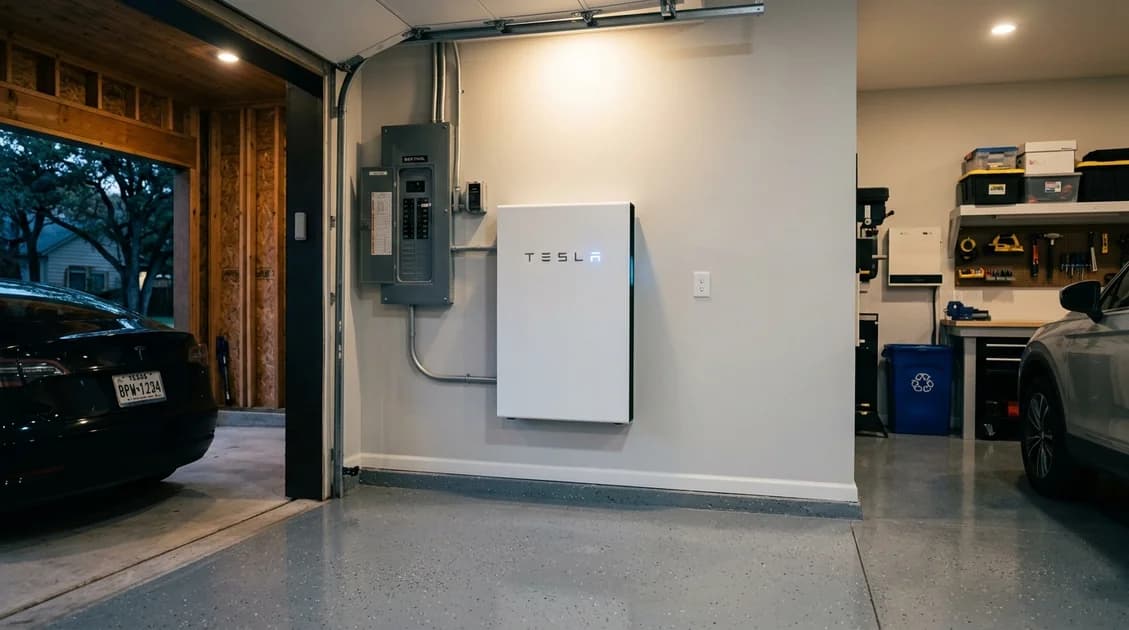
Home Battery Backup Cost in Texas: 2026 Pricing Breakdown
A home battery backup system in Texas costs between $10,000 and $20,000 installed for a single-battery setup. Whole-home systems with two or more batteries run $22,000 to $35,000 or more. Those numbers reflect the Texas market as of early 2026, where the average installed cost sits at $1,344 per kWh of storage capacity (EnergySage, 2026).
Texas homeowners aren't buying battery backup as a luxury. The ERCOT grid is isolated from the rest of the U.S. power network, with no interstate connections to draw from when demand spikes or a winter storm rolls in. During Winter Storm Uri in 2021, 4.5 million Texas homes lost power for an average of 42 hours (FERC, 2021). The grid is more stressed today, not less.
This article breaks down exactly what home battery backup costs in Texas, what drives the price, how the major brands compare, and how to figure out what your home actually needs.
Key Takeaways
- A single home battery backup system costs $10,000 to $20,000 installed in Texas as of 2026, or $1,344 per kWh on average (EnergySage, 2026).
- ERCOT's winter reserve margin fell from 17.5% in 2021 to a projected 10.1% in 2026, well below the 15% industry standard.
- A 13-15 kWh battery powers essential home loads for 8 to 10 hours during an outage at a 1.5 kWh/h baseline. Adding central air conditioning cuts that to 3 to 5 hours.
- Battery brand, installation complexity, and system size are the three biggest price variables. Chemistry type (LFP vs. NMC) also affects long-term value.
How Much Does a Home Battery Backup Cost in Texas?
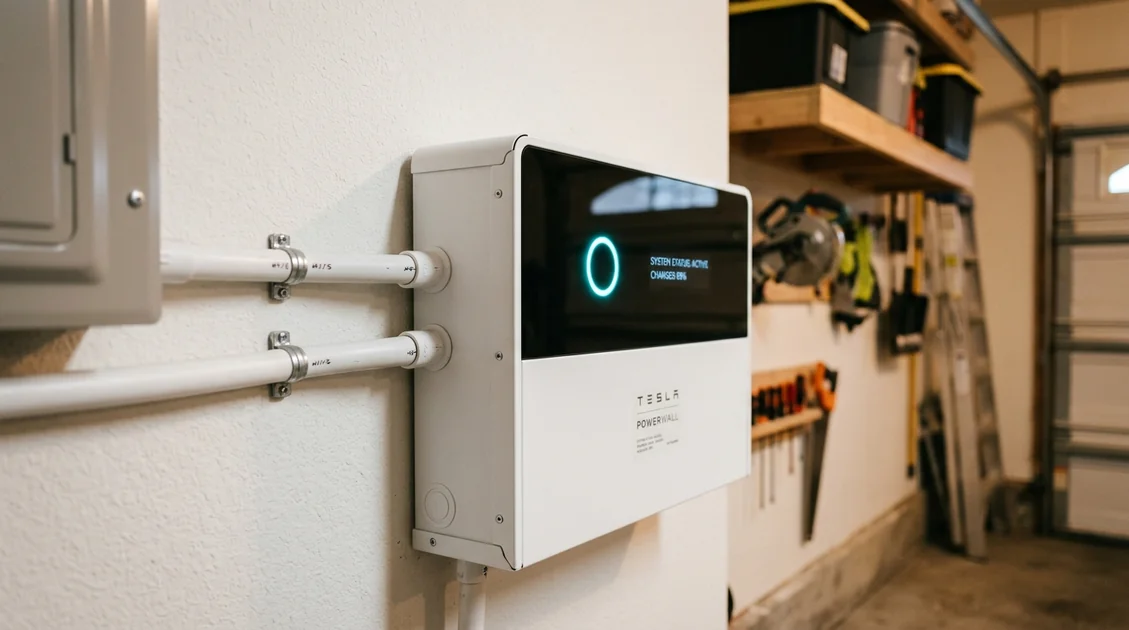
The average installed battery system in Texas costs $1,344 per kWh as of March 2026, putting a standard 13 to 15 kWh system between $14,851 and $20,093 (EnergySage, 2026). That's the all-in number: equipment, inverter, labor, and permits. Most Texas homeowners fall somewhere in this range, though pricing varies by brand, installer, and how complicated your electrical setup is.
For a quick reference, here's what to expect at each capacity tier:
2026 Home Battery Cost by System Size in Texas
| System Size | Typical Use Case | Estimated Installed Cost |
|---|---|---|
| 5 kWh | Critical circuits, phones, lights | $4,500 to $7,500 |
| 10 kWh | Essential loads through a short outage | $9,000 to $13,000 |
| 13-15 kWh | Essential loads for 8 to 10 hours | $14,800 to $20,000 |
| 20+ kWh | Essentials plus some A/C | $22,000 to $35,000+ |
Sources: EnergySage Texas market data, SmartEnergyUSA (2026)
The per-kWh cost often drops slightly as system size increases, so two batteries don't always cost exactly double one battery. Labor and electrical work are partially fixed costs, so they're spread across a larger install.
Texas sits slightly above the national median for installed battery costs. The national average is closer to $1,000 to $1,100 per kWh (SmartEnergyUSA, 2026), a gap driven by permitting complexity in some municipalities and the heat-related electrical requirements that Texas installers must account for.
What Drives the Price Up or Down?
Battery capacity and installation complexity account for most of the price variation you'll see between quotes. A $10,000 system and a $20,000 system can both be "one battery" but represent very different installs.
Capacity is the most direct driver. More kWh costs more, but the per-kWh rate often drops at larger sizes because fixed labor costs are distributed over more capacity. A 10 kWh system at $1,200/kWh becomes a 20 kWh system closer to $1,050/kWh once labor is factored in.
Battery chemistry matters too. Most current residential batteries use lithium iron phosphate (LFP) chemistry. LFP batteries, used by FranklinWH and newer Enphase units, handle more charge cycles and tolerate high ambient temperatures better than older lithium nickel manganese cobalt (NMC) designs. They cost slightly more upfront but tend to degrade more slowly over time.
Installation complexity is where quotes diverge most. A straightforward install on a home with a modern 200-amp panel and accessible wiring might take half a day. A home requiring a panel upgrade, additional conduit runs, or a dedicated gateway inverter can add $1,500 to $4,000 to the project.
Installation Cost Variables
Here's a rough line-item breakdown for a typical single-battery install in Texas:
| Cost Component | Typical Range |
|---|---|
| Battery unit | $6,000 to $12,000 |
| Inverter / gateway (if separate) | $1,000 to $2,500 |
| Labor | $1,500 to $3,500 |
| Electrical upgrades | $0 to $3,500 |
| Permits (varies by city) | $150 to $500 |
Texas permit fees vary considerably by municipality. Houston, Austin, and Dallas each have different schedules. Permit costs are rarely the biggest variable, but they can add a few hundred dollars that some installer quotes don't surface upfront.
Our finding: Installation labor in Texas typically represents 15 to 25% of the total installed cost. That share rises when electrical panel upgrades are required, which happens in roughly 30% of older Texas homes where the panel is undersized for a battery system's peak output demands.
How Do the Top Battery Brands Compare on Price in Texas?
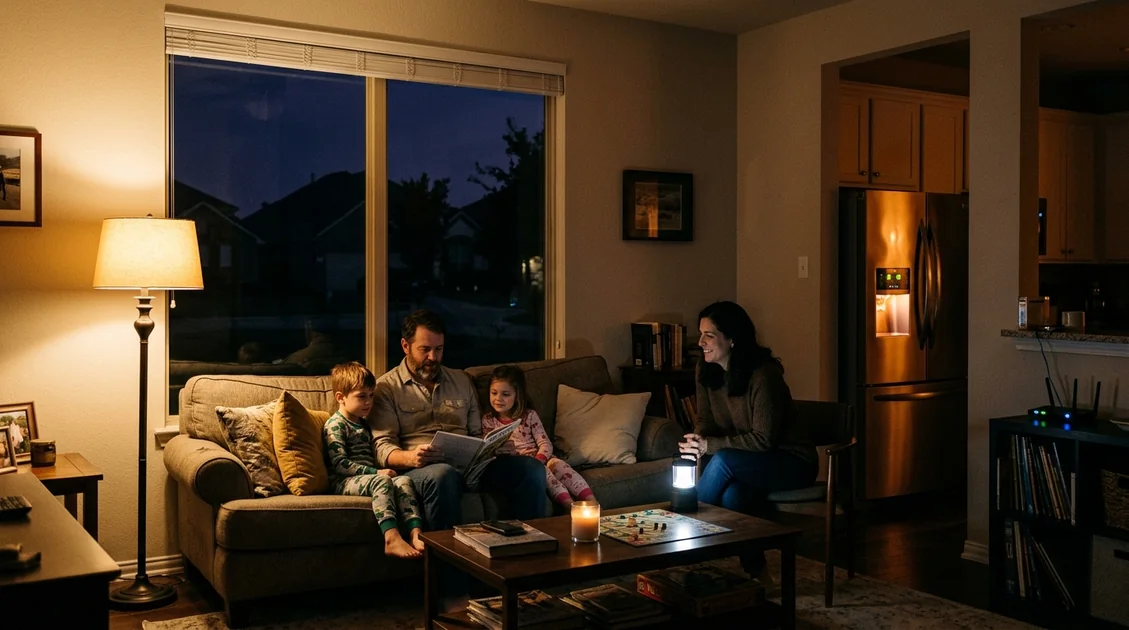
Tesla Powerwall 3 remains the market benchmark in Texas at $700 to $780 per kWh installed, making it the most affordable option among the major brands (SmartEnergyUSA, 2026). FranklinWH and Enphase command a premium, but they offer longer warranties and different strengths that matter in specific situations.
Here's how the four most-quoted brands stack up for Texas homeowners:
| Brand | Capacity | Peak Power | Est. Installed Cost (TX) | Warranty | Chemistry |
|---|---|---|---|---|---|
| Tesla Powerwall 3 | 13.5 kWh | 11.5 kW | $11,500 to $14,500 | 10 yr / 70% capacity | LFP |
| FranklinWH aGate + aPower | 13.6 kWh | 10 kW | ~$18,000 | 12 yr | LFP |
| Enphase IQ Battery 5P | 5 kWh per unit | 3.84 kW per unit | $4,500 to $6,000 per unit | 15 yr | LFP |
| Generac PWRcell | 9 to 18 kWh | 4.5 to 9 kW | $12,000 to $18,000 | 10 yr | NMC |
Sources: SmartEnergyUSA, Solar.com, EnergySage (2026)
A few things are worth calling out beyond the sticker price.
Tesla Powerwall 3 delivers the highest peak power output (11.5 kW) of any single residential battery unit on this list. That's enough to run central air conditioning, which many competitors can't manage alone. It's also the most widely installed battery in Texas, which means installer availability and parts support are rarely an issue.
FranklinWH is designed for whole-home backup without solar. The aGate controller manages all home circuits and can prioritize which loads get power during an outage. It's more expensive upfront, but it's one of the few systems that handles a full Texas home load without solar generation supplementing it.
Enphase is stackable. You start with one 5 kWh unit and add more as your budget or needs grow. The 15-year warranty is the longest of any major brand. But Enphase batteries work best within the Enphase microinverter ecosystem, so they're less ideal for homes with string inverters or no solar at all.
Worth knowing: All four brands listed use LFP chemistry except Generac's PWRcell. LFP batteries handle the heat cycling that Texas summers demand better than NMC chemistry, and they carry a lower risk of thermal runaway. That matters less in an air-conditioned garage but is relevant for outdoor or unconditioned installations.
How Much Battery Storage Does a Texas Home Actually Need?
A 2,000 square foot Texas home typically needs 10 to 15 kWh of storage to power essential loads through a 12 to 24 hour outage. Texas homes average 1,096 kWh per month in electricity use (about 36 kWh per day), according to the U.S. Energy Information Administration (EIA, 2024). But daily average isn't what you're sizing for. You're sizing for the loads you need to survive an outage.
The number that changes the calculation most for Texas homeowners is air conditioning. A central A/C unit draws 3 to 5 kilowatts continuously. At that draw rate, a single 13.5 kWh battery runs your air conditioner for about 3 to 4 hours before it's depleted. That's not a lot of margin during a Texas summer.
What most homeowners do is separate their loads into tiers.
Partial Backup vs. Whole-Home Backup
Essential circuit backup (1 battery, $10,000 to $14,000): Covers lights, refrigerator, medical devices, phone chargers, and Wi-Fi. No A/C. A 13.5 kWh battery powers this load profile for about 9 hours at a 1.5 kWh/h baseline, enough to get through most grid events.
Comfort backup (2 batteries, $20,000 to $28,000): Adds the ability to run A/C intermittently. You won't run it continuously for 24 hours, but you can cool the house down in cycles. This covers most Texas winter storm scenarios where a freeze lasts 1 to 2 days.
Whole-home backup (3+ batteries, $28,000 to $40,000+): Runs everything. A/C, electric stove, water heater. Appropriate for households with medical equipment, home offices that can't tolerate interruptions, or properties with long grid restoration times.
Texas-specific sizing note: In Houston's climate zone, central A/C runs an average of 6 to 8 hours per day during summer months. A household that wants to cover A/C needs through a 24-hour outage should plan for at least 20 to 25 kWh of storage, not the 13 kWh that a single standard battery provides. This is a gap most national sizing guides don't address.
Is Battery Backup Worth the Cost in Texas?
For most Texas homeowners, a battery backup system's value comes from what it prevents, not just what it saves on monthly electricity bills. The ERCOT grid is the only major grid in the continental U.S. that operates in isolation, with no connections to neighboring state grids. When demand outpaces supply on ERCOT, there's nowhere to borrow power from.
During Winter Storm Uri, the economic damage to Texas reached an estimated $130 billion (Texas Tribune, data on file). Individual household losses included food spoilage, burst pipe repairs, hotel stays, and missed work. Food spoilage alone averages $200 to $400 per household after a 24-hour outage. Pipe damage from freezing runs $1,500 to $15,000 depending on severity. A single extended winter outage can easily cost a Texas homeowner more than the down payment on a battery system.
The grid isn't getting more reliable. ERCOT's winter reserve margin dropped from 17.5% in 2021 to a projected 10.1% in 2026, well below the 15% industry standard (Texas Scorecard, 2026). Reserve margins are forecast to reach single digits by 2028 as data center and industrial demand grows.
Battery backup also clears a bar that whole-home generators don't. Generators require natural gas or propane, which can be unavailable during a disaster. They produce carbon monoxide, so they can't run indoors. They need maintenance and fuel storage. And in many Houston-area communities, HOA rules restrict outdoor generator installations.
A battery is silent, indoor-safe, and maintenance-free. It doesn't eliminate all the cost of an outage, but it eliminates most of the worst outcomes.
What Are Your Payment Options for a Home Battery in Texas?
Most Texas homeowners use one of three approaches: cash, a home improvement loan, or a lease or PPA (power purchase agreement).
Cash purchase means full upfront cost but full ownership. You own the equipment, there's no monthly payment after installation, and there's no third party with a claim on your system. For homeowners who can absorb the upfront cost, cash is the simplest path.
Home improvement loans are the most common financing option. Terms run 5 to 20 years. Interest rates vary by lender and credit profile. A 10-year loan on a $15,000 system at 8% works out to roughly $182 per month. That's a predictable monthly cost that some homeowners find easier to budget than a large lump sum.
Lease or PPA arrangements put the battery system on your property but keep ownership with the financing company. You pay a monthly fee, often lower than a loan payment. The downside is that you don't own the equipment, which can complicate a home sale and limits your ability to modify the system.
PACE financing (Property Assessed Clean Energy) is available in some Texas counties. These are property liens rather than personal loans, repaid through your property tax bill over 10 to 25 years. Check with your county assessor to see if your address qualifies.
Frequently Asked Questions
How much does a Tesla Powerwall 3 cost installed in Texas?
A Tesla Powerwall 3 installed in Texas costs between $11,500 and $14,500 in 2026, depending on the installer and whether your electrical panel requires an upgrade. The Powerwall 3 integrates the inverter into the battery unit itself, which removes one line item but can increase the base unit price compared to older models (SmartEnergyUSA, 2026).
Can I get home battery backup without solar panels in Texas?
Yes. Grid-tied battery systems charge directly from utility power. FranklinWH and Enphase are popular standalone options for Texas homeowners without solar. The limitation is recharge time: a depleted battery refills in 4 to 8 hours on a standard electrical connection. During a multi-day outage, the grid needs to be back online to recharge, which is why solar pairing extends backup capability significantly.
How long will a home battery last during a Texas power outage?
A 13 to 15 kWh battery running essential loads (refrigerator, lights, phone chargers, medical devices, Wi-Fi) lasts 12 to 20 hours. Adding central air conditioning drops that to 3 to 5 hours, since A/C draws 3 to 5 kW continuously. For a 24-hour outage with some A/C use, plan on at least two batteries. During Winter Storm Uri, some Texas homes lost power for up to four days, which requires solar recharging or a larger battery bank to cover (FERC, 2021). For a full breakdown including how Texas heat affects battery lifespan, see
.What size battery do I need for a 2,000 sq ft Texas home?
One battery (13 to 15 kWh) handles essential circuits through a standard overnight outage. Two batteries add intermittent A/C capability and cover most storm scenarios. Three or more batteries provide full uninterrupted comfort, including continuous A/C during summer events. Your actual needs depend on your home's specific loads, whether you have a gas or electric stove and water heater, and how long your area typically stays without power after a grid event.
What to Do Next
Home battery backup costs in Texas run $10,000 to $20,000 for a single system, with most Houston-area homes landing in the $14,000 to $18,000 range after installation. Brand choice, system size, and installation complexity are the three levers that move that number.
The sizing math is different in Texas than it is in milder climates. You're not just accounting for typical power use. You're accounting for A/C loads in 100-degree summers, freeze events in winters, and a grid that has no interstate safety net when things go wrong.
The right system for your home depends on which loads you need to protect, how long you need to run them, and how you want to pay for it. Getting a quote based on your actual home and circuit setup is the only way to land on a number that's specific to you.
or