The Virtual Power Plant: Business Models

Introduction
The article aims to present a critical comparison of different business models (BM) of Virtual Power Plant (VPP) across multiple countries. The author examines American, German, Finnish, Danish, and Australian VPP models to propose approaches for Poland and Brazil.
Brazil demonstrates significant energy transition opportunities.
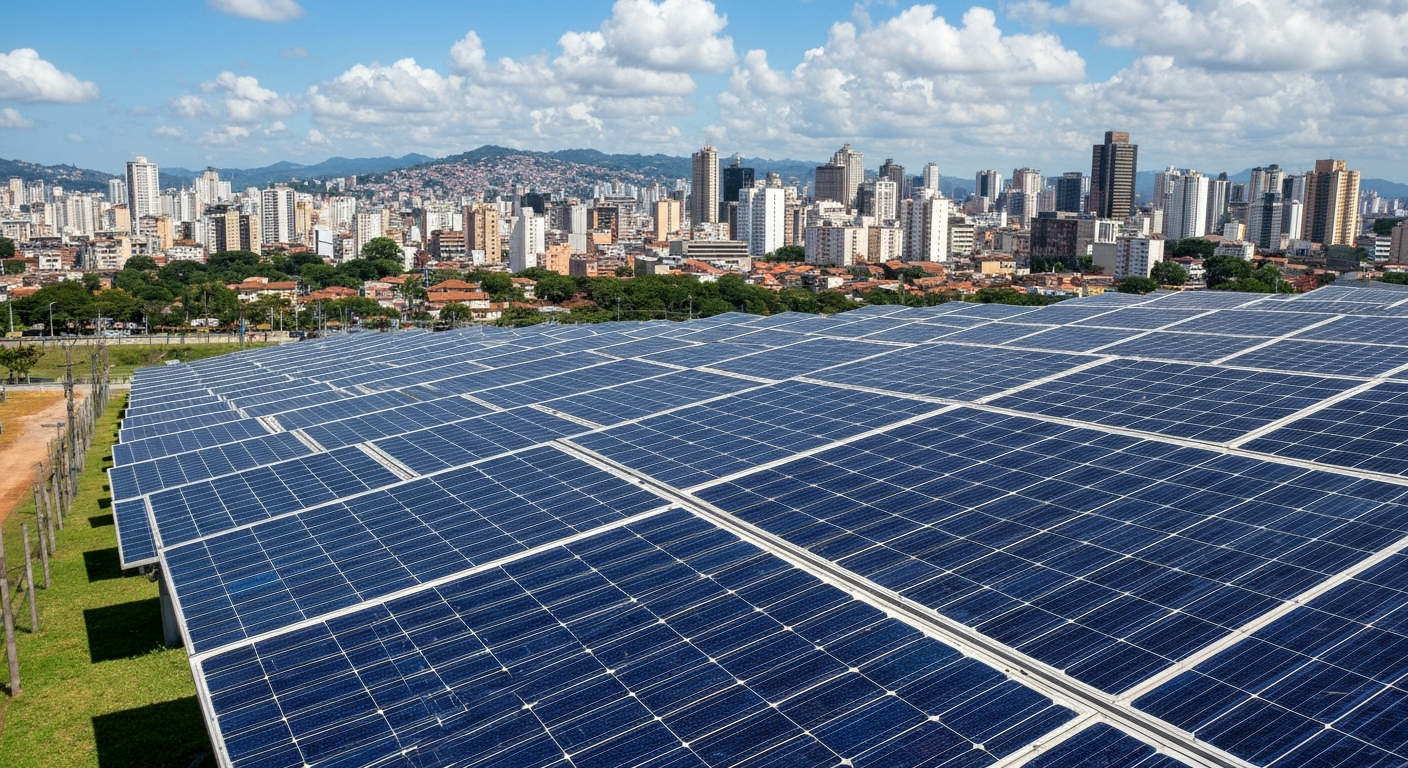
Solar photovoltaic generation represents the fastest-growing electricity source in Brazil, now the second-largest generation source with 36 GW capacity, approximately 16.1% of national production.
Recent legislation, specifically Law No. 14,300 (January 6, 2022), established the legal framework for microgeneration and distributed mini generation. The law enables electricity commercialization from consumer consortiums on the same or contiguous properties without public road separation. However, no VPP-specific regulation currently exists.
What is a Virtual Power Plant (VPP)?
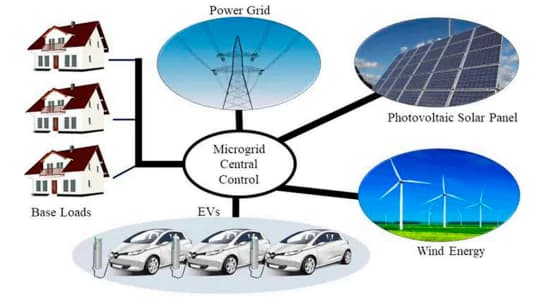
VPPs are "aggregations of DERs that can balance electrical loads and provide utility-scale and utility-grade grid services like a traditional power plant." The Department of Energy uses a broad definition encompassing various mechanisms for aggregating and orchestrating Distributed Energy Resources (DERs).
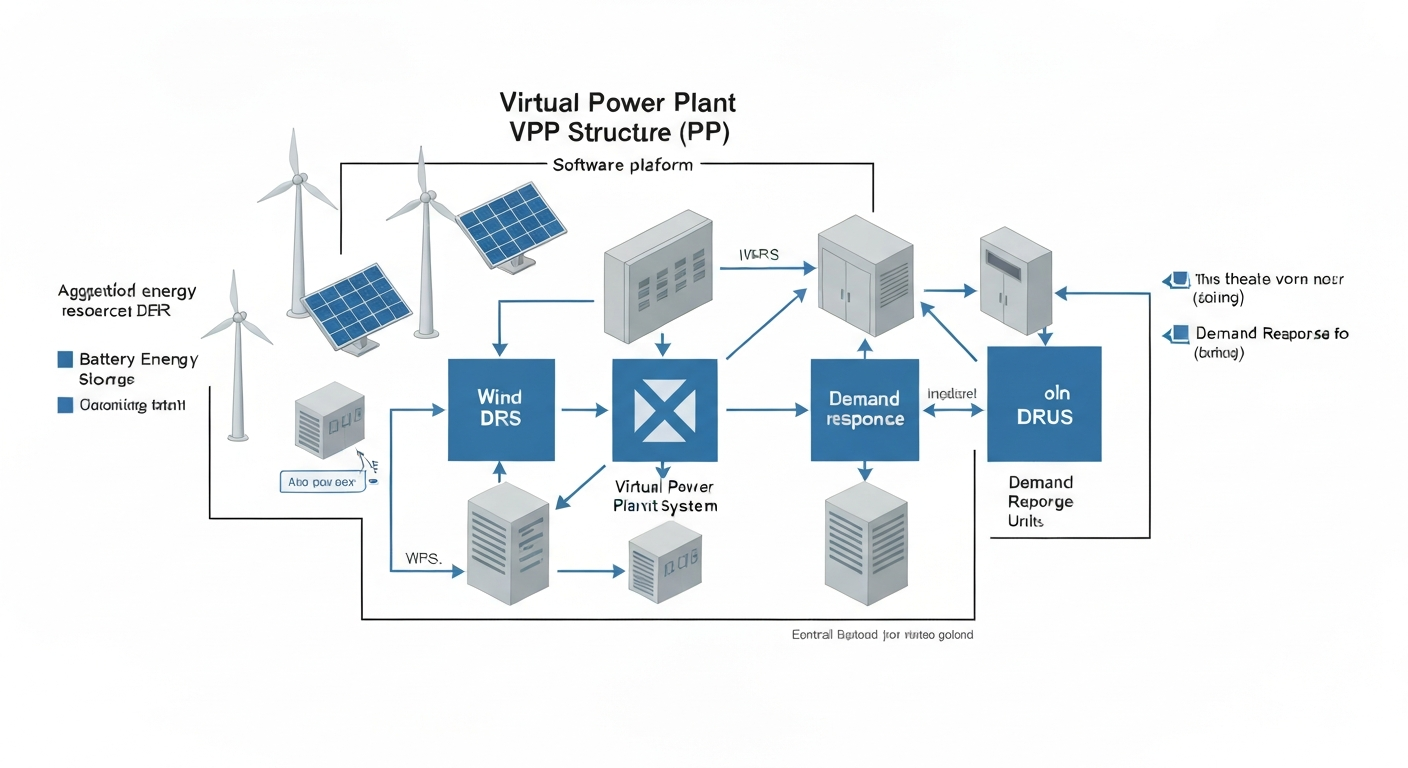
VPPs enhance power generation efficiency, provide reliability, and optimize cost-effectiveness. They classify into three main types:
Demand Response (DR) VPPs
These manage energy consumption patterns to match electricity supply with demand. Rather than increasing production, DR VPPs shift or curtail loads. During peak demand periods, they reduce load by controlling or shutting down non-critical processes across networks, thereby stabilizing grids and reducing costs.
Supply-Side VPPs
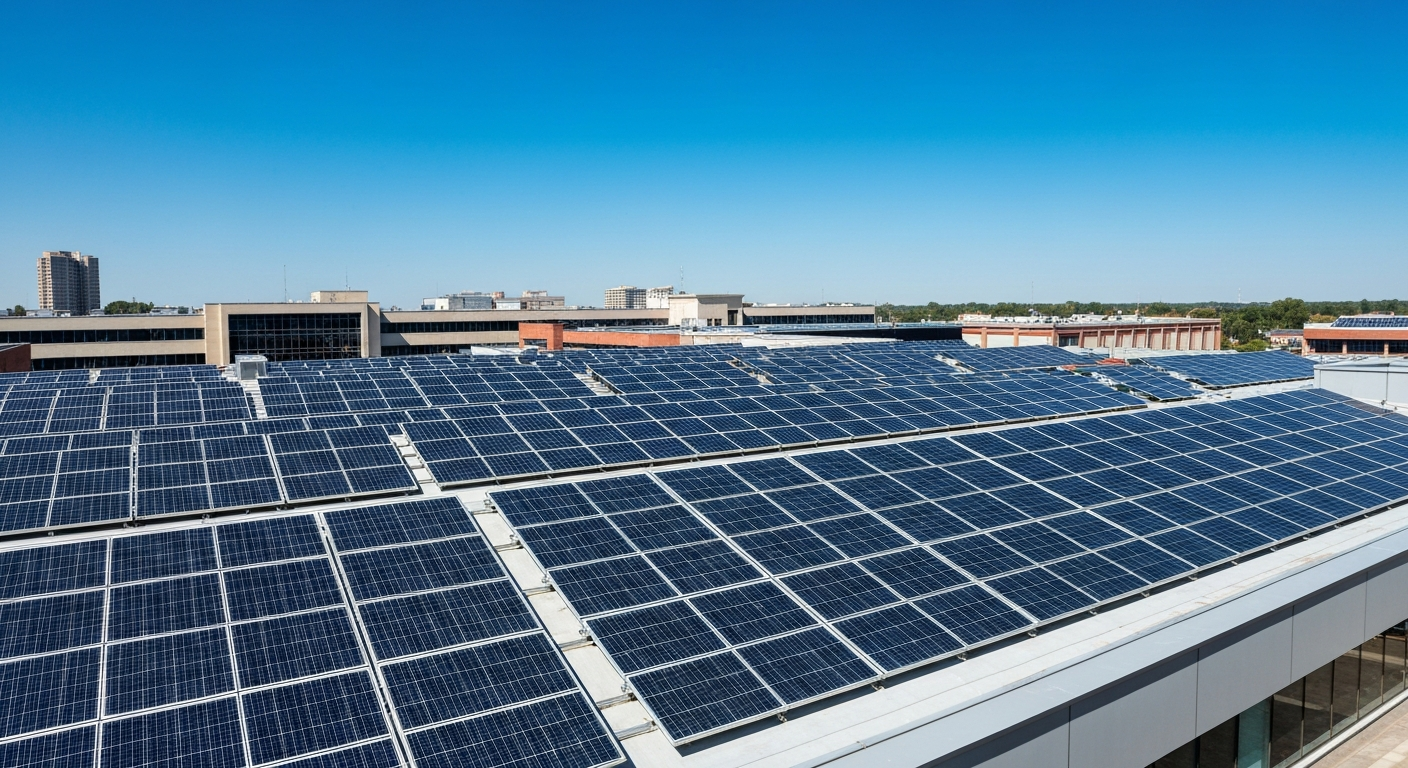
Supply-side systems aggregate small-scale distributed generation units including wind turbines, solar panels, and small hydro plants. They maximize renewable energy production while quickly adjusting to demand changes by redistributing generation across networks.
Classification by Market Role
Commercial VPPs focus on economic aspects, aiming to maximize profits through intelligent electricity trading and distribution. Key features include:
- Market Integration utilizing predictive analytics to forecast prices and demand
- Revenue Maximization by managing production timing and volume
- Contract Management across multiple energy producers and consumers
Technical VPPs emphasize operational and grid stability aspects, maintaining reliable electricity supply through ancillary services. Key features include:
- Grid Support providing frequency regulation, voltage control, and spinning reserve
- Demand Response Management synchronized with grid requirements
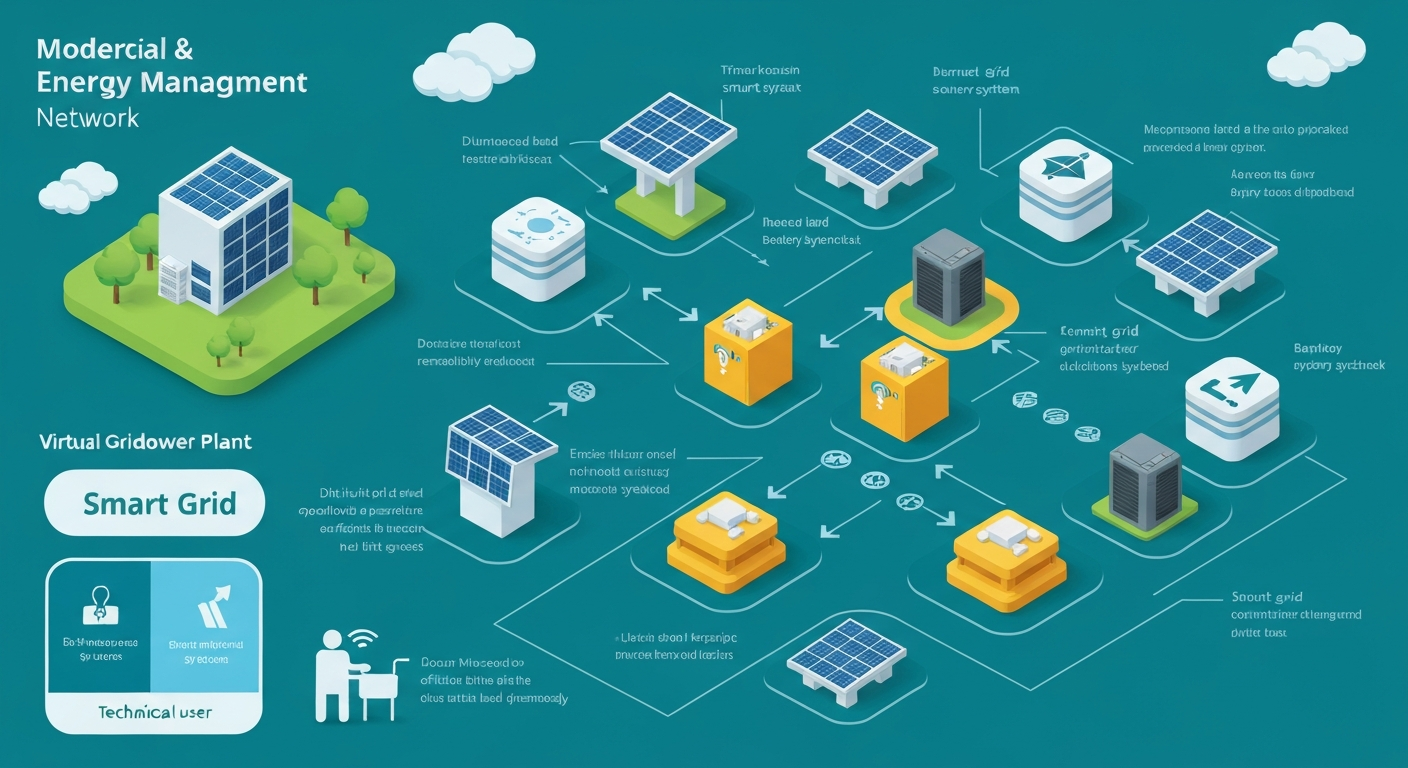
Mixed Asset VPPs combine supply-side and demand-response capabilities, integrating generation, storage (battery systems), and consumption control within single platforms. This flexibility enables sophisticated energy optimization while improving grid stability.
The Development of the Business Model Concept
Business models evolved from representing small company components to representing entire organizations. Nine essential components define BMs: strategy, resources, network, customer, value proposition, revenue, service provision, procurement, and finances.
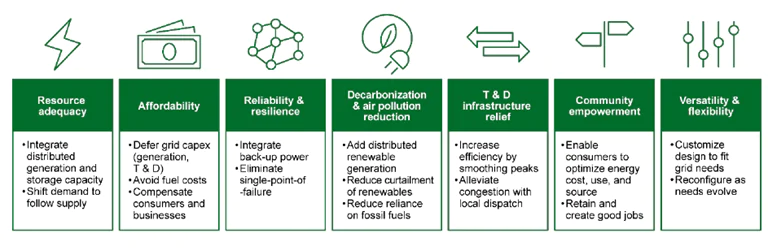
The core element is value proposition. VPPs contribute to resource adequacy at low cost while increasing resilience, reducing greenhouse gas emissions and air pollution, reducing transmission and distribution congestion, empowering communities, and adapting to evolving grid needs.
VPP Business Model Comparison
VPPs operate within four interconnected systems: technical, legal, economic, and social. Technical systems include information technologies, smart grids, smart metering, renewable energy technologies, and storage solutions. Legal systems encompass renewable energy support regulations, emissions limits, and prosumer regulations. Economic systems involve sector liberalization, free markets, demand-side management, tariff structures, and local energy market creation. Social systems reflect broader energy transition drivers.
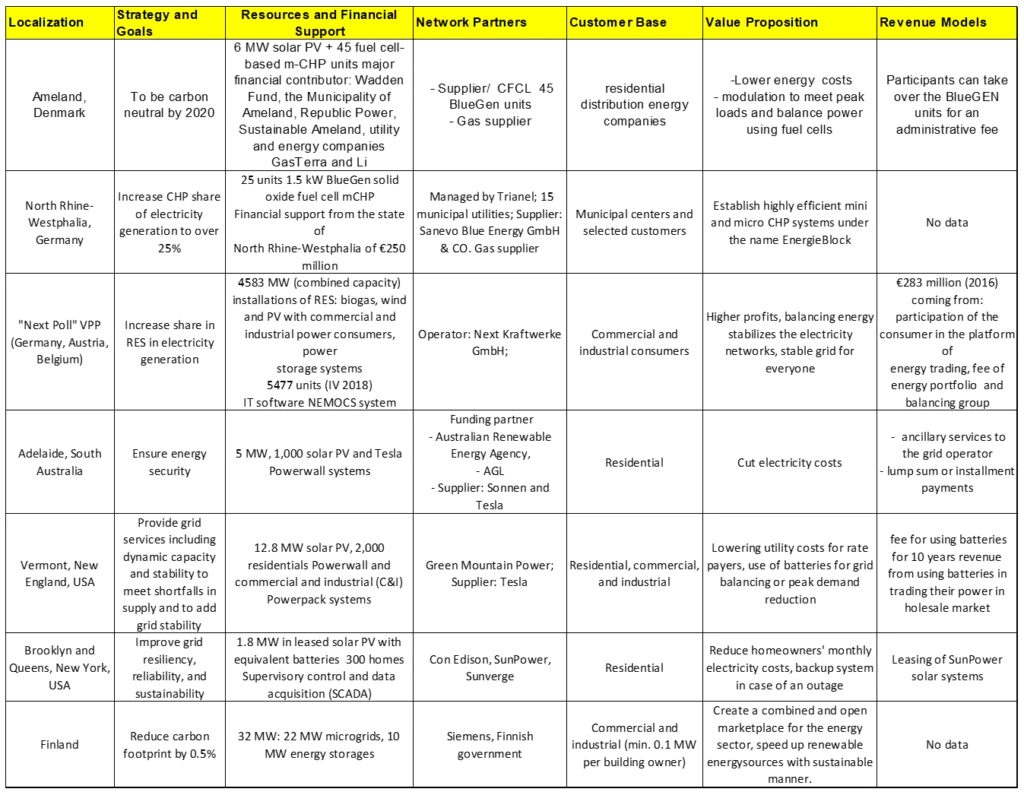
Ropuszynska-Surma and Weglarz (2019) compared seven VPP business models, four European, two American, and one Australian, using location, strategy, resources, network, customer base, value proposition, and revenue sources as comparison parameters.
Possible VPP Business Models for Brazil
Brazil's energy market requires both demand response VPPs and ancillary services VPPs for grid stability. Brazil categorizes distributed photovoltaic generation into three types based on installed capacity:
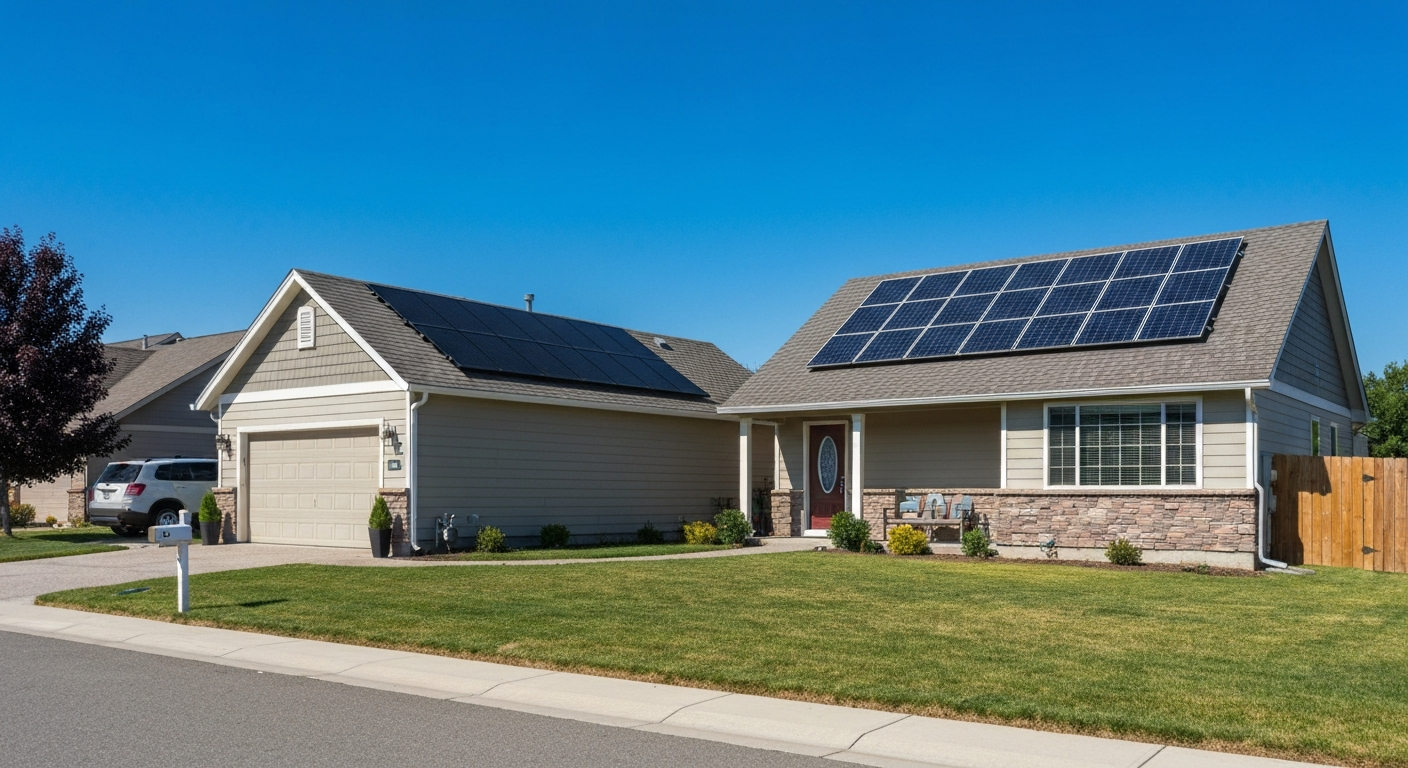
GD1: Residential and Small Commercial Solar Systems
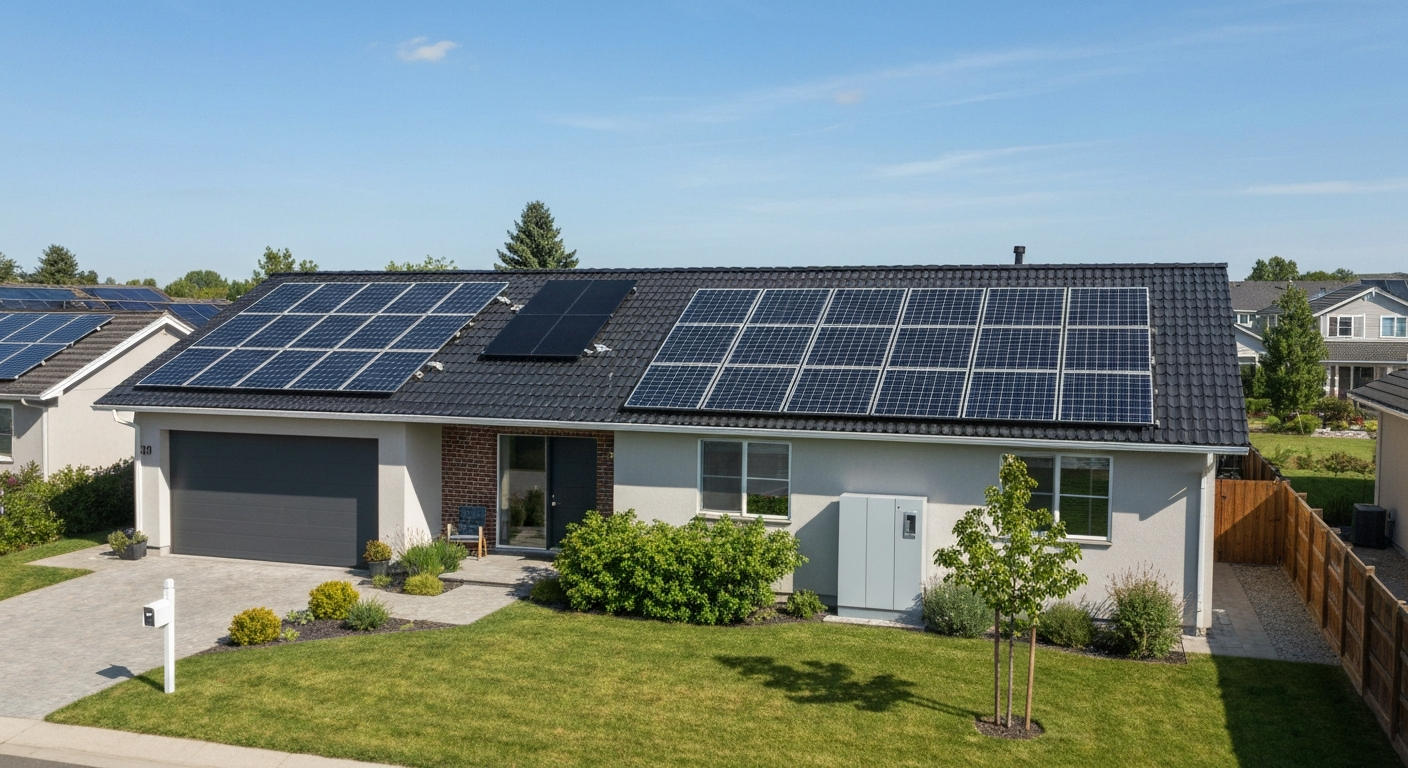
GD1 systems serve residential homes and small commercial buildings with capacities not exceeding 75 kW, typically roof-mounted. They allow homeowners and small businesses to meet energy needs while contributing excess power to grids through net metering or feed-in tariffs.
Benefits:
- Cost Efficiency through reduced monthly energy bills
- Energy Independence decreasing grid reliance
- Environmental Impact via clean, renewable generation
Challenges:
- Installation Space limited by roof size
- Upfront Costs remain significant despite declining prices
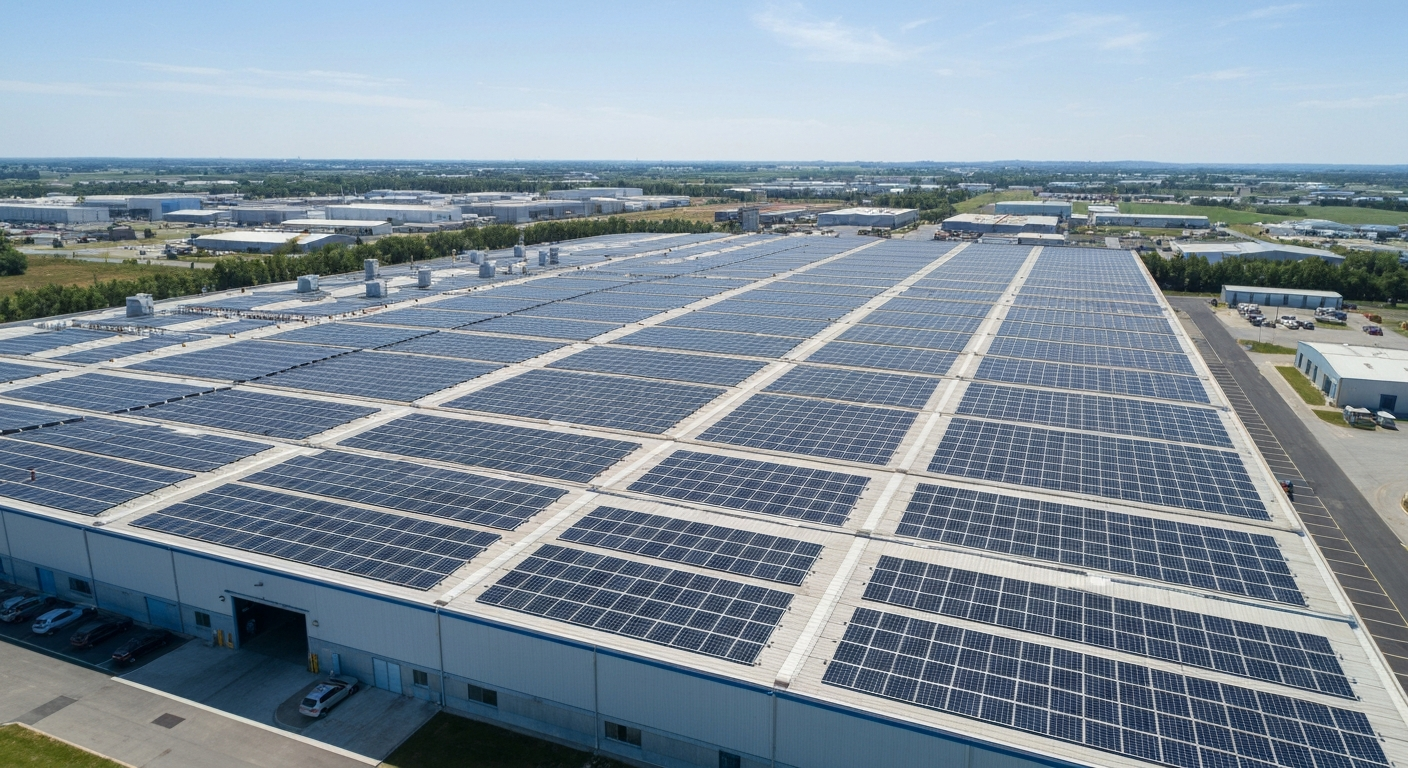
GD2: Medium-Sized Commercial and Industrial Systems
GD2 systems range from 75 kW to 5 MW, adopted by larger commercial entities, industrial sites, and agricultural facilities. They significantly reduce business energy costs while alleviating local grid pressure.
Benefits:
- Scalability for growing business energy needs
- Grid Support balancing peak-time demand
- Return on Investment through substantial long-term savings
Challenges:
- Capital Intensive requiring substantial investment
- Regulatory and Logistical Hurdles involving complex approval processes
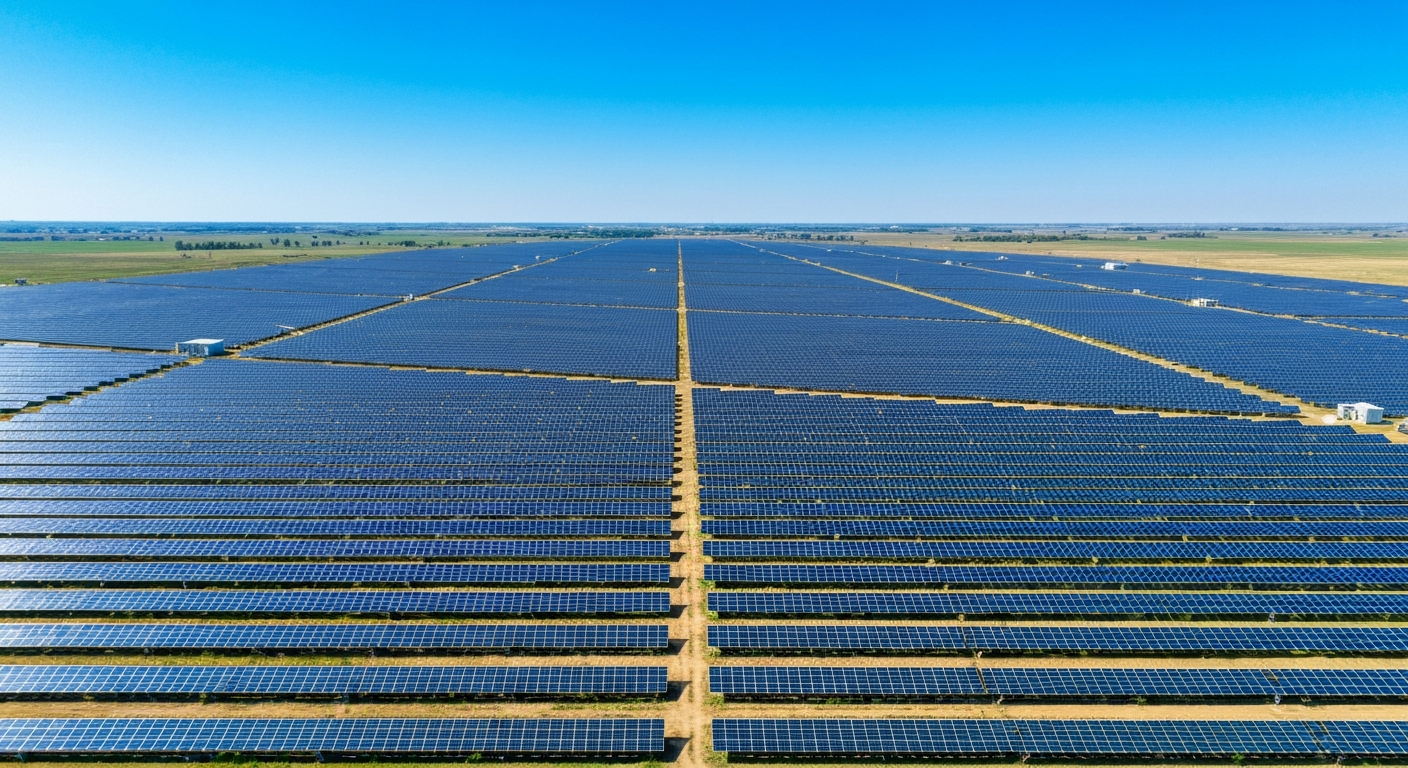
GD3: Large-Scale Solar Projects
GD3 encompasses installations exceeding 5 MW capacity, functioning as small power plants supplying energy to large facilities, multiple sites, or the grid. They provide consistent, substantial solar energy supply to wider areas.
Benefits:
- Massive Energy Production contributing significantly to energy mix
- Economies of Scale reducing per-unit electricity costs
- Enhanced Grid Stability supporting high energy demands
Challenges:
- Large-Scale Investment requiring significant capital
- Environmental and Spatial Considerations involving land-use conflicts
The integration of GD1, GD2, and GD3 systems transforms energy landscapes, enabling scalable renewable transitions. Each category serves unique roles, from individual homeowner energy independence to supporting large industrial complexes and enhancing grid stability.
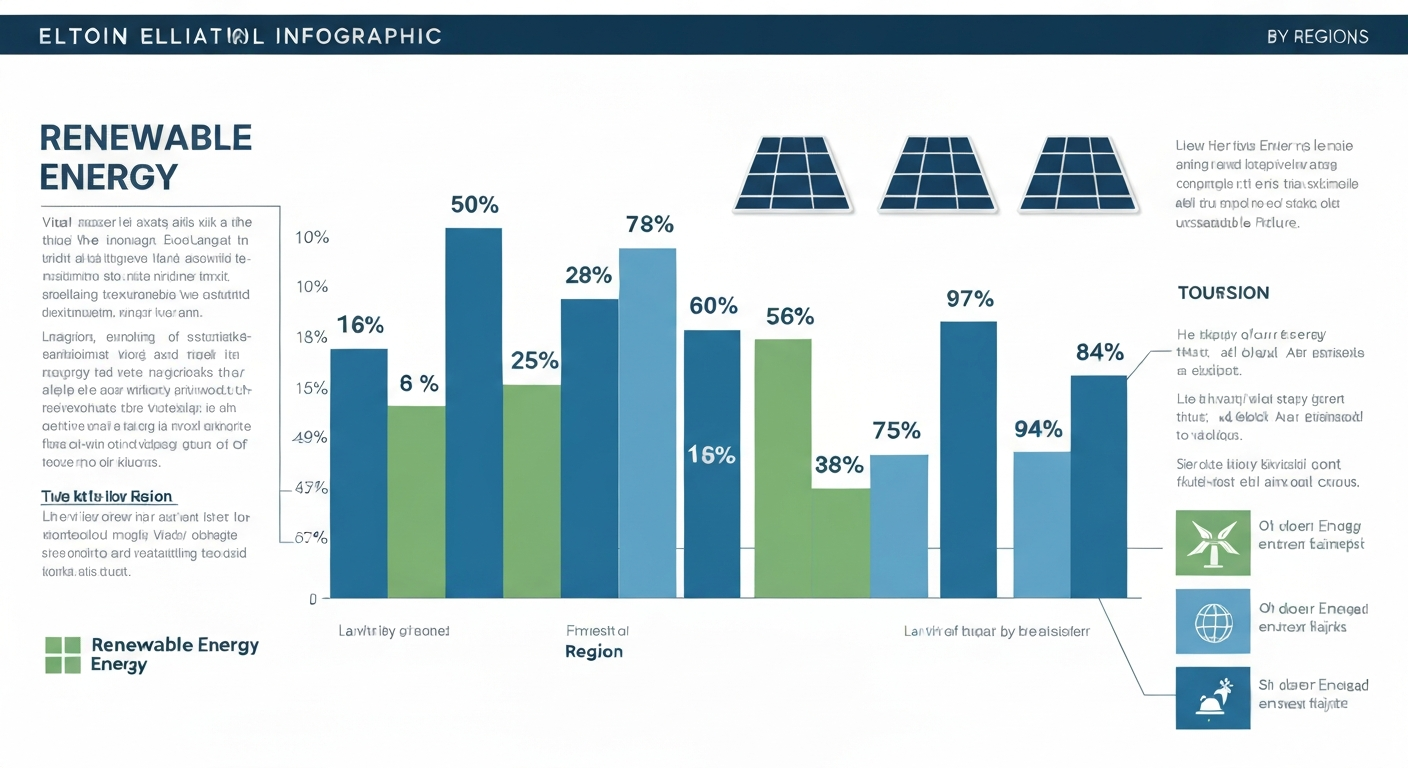
Brazil's VPP proposition focuses on two strategic locations: Bahia hosting a technical VPP aggregating centralized generation in northern and northeastern regions, and Sao Paulo hosting a commercial VPP in areas with greatest GD1 customer concentrations.

Discussion and Conclusion
Brazil presents distinctive VPP development factors compared to established markets:
1. Regulatory Environment: Brazil's VPP regulatory framework remains evolving, unlike Germany, Australia, and the USA with established guidelines. Recent legislation provides foundational support, though gradual adaptation may influence rollout pace.
2. Focus on Distributed Generation: Significant solar photovoltaic growth emphasizes distributed generation, particularly GD1 and GD2 categories crucial for developing commercial and technical VPPs. Contrasting countries like Germany and Denmark invest diversely in wind and biogas.
3. Energy Market Dynamics: The vast, regionally diverse Brazilian energy market presents unique deployment challenges and opportunities. Strategic hub approaches for states like Bahia reflect regional leverage strategies less prevalent in smaller countries.
4. Potential for Innovation and Grid Stability: Brazil emphasizes both commercial VPP aspects and grid stability improvements via technical VPPs. This dual focus addresses regional disparities in energy availability and grid reliability. Integrating large-scale GD3 distributed generation offers innovative grid challenge solutions.
5. Socio-Economic Impact: VPP implementation significantly impacts socio-economic development by fostering local energy markets and empowering communities through distributed generation. This addresses energy security while promoting economic growth in less-developed regions.
Brazil's VPP adaptation reflects tailored approaches considering local regulatory, economic, and social dynamics. While Germany, Denmark, and the USA advance VPPs with mature renewable technologies and strong market mechanisms, Brazil's solar energy focus and emerging regulatory framework offers unique pathways redefining its energy landscape.
Aligning VPP strategies with local potentials enables Brazil contributing to global renewable energy innovation while enhancing national grid stability and energy security, establishing precedents for geographically and economically similar nations.